Creative Co1520 / Journal
Understanding Bilateral Hysterosalpingo Oophorectomy: A Detailed Insight into Women's Reproductive Health
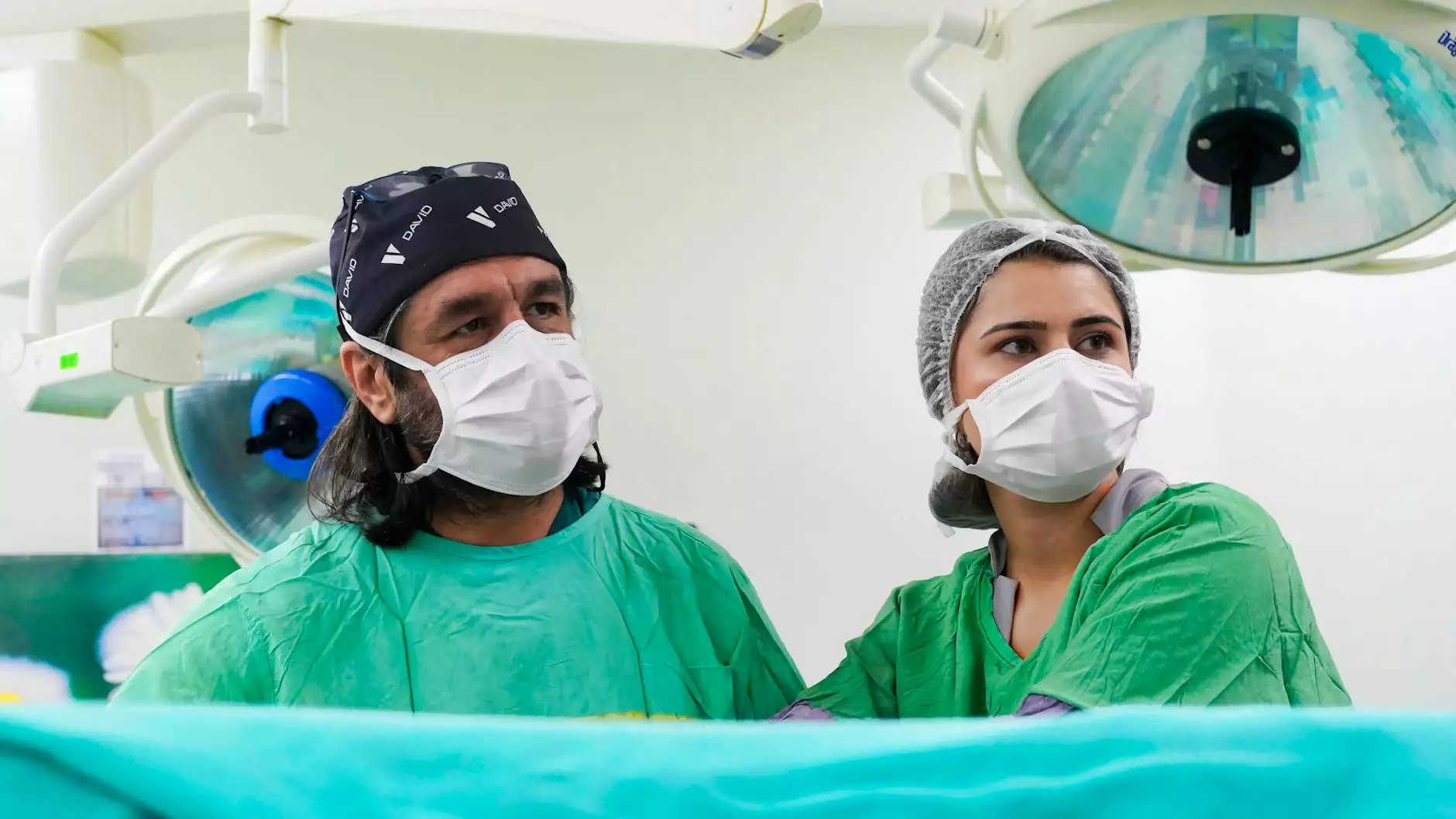
In the realm of modern gynecological surgical procedures, bilateral hysterosalpingo oophorectomy stands out as a significant intervention with profound implications for women’s health. As a highly specialized surgical technique, it involves the comprehensive removal of both uterine tubes (fallopian tubes) and ovaries, and plays a vital role in managing various gynecological conditions. Whether for definitive treatment, risk reduction, or management of complex medical situations, understanding the intricacies of this procedure is essential for healthcare providers and patients alike.
What is Bilateral Hysterosalpingo Oophorectomy?
Bilateral hysterosalpingo oophorectomy (often abbreviated as BHSO) is a surgical operation that involves the complete removal of the uterine tubes (bilateral salpingectomy) and the ovaries (bilateral oophorectomy). This comprehensive approach aims to eliminate reproductive organs involved in hormone production and conception, often as a measure to treat or prevent specific gynecological diseases.
Historical Perspective and Evolution of the Procedure
Since the inception of gynecologic surgery, the removal of reproductive organs has been a critical intervention for various conditions. Over time, with advances in surgical techniques and better understanding of women's reproductive biology, the bilateral hysterosalpingo oophorectomy procedure has evolved from traditional open surgeries to minimally invasive laparoscopic options. This evolution has resulted in decreased operative risks, faster recovery, and improved patient outcomes, making it a preferred choice for appropriate cases.
Indications for Bilateral Hysterosalpingo Oophorectomy in Modern Gynecology
The decision to perform a bilateral hysterosalpingo oophorectomy is dictated by a thorough clinical assessment and is linked to specific indications, such as:
- Ovarian or fallopian tube cancer: When malignancies are diagnosed or suspected, removal of these organs is often necessary for adequate cancer management.
- Benign ovarian tumors: Large or complex ovarian cysts or tumors that pose a risk of torsion, rupture, or malignant transformation.
- Benign gynecological conditions: Severe endometriosis, recurrent ovarian cysts, or pelvic inflammatory disease unresponsive to medical treatment.
- Risk reduction in hereditary cancers: For women with BRCA1 or BRCA2 gene mutations, prophylactic bilateral hysterosalpingo oophorectomy considerably lowers the risk of ovarian and breast cancers.
- Persistent or recurrent pelvic pathology: When conservative therapies fail, and symptoms significantly impair quality of life.
- End-of-reproductive stage and menopause: As part of surgical menopause in women approaching or beyond menopause, especially when indicated for other gynecological surgeries.
The Step-by-Step Process of a Bilateral Hysterosalpingo Oophorectomy
The surgical procedure may vary slightly depending on the patient's individual condition, the surgeon’s experience, and the chosen surgical approach. However, the overall process involves:
- Preoperative assessment: Includes detailed medical history, imaging studies, and blood tests to evaluate risks and plan the surgery effectively.
- Anesthesia: Typically performed under general anesthesia to ensure patient comfort and control during the procedure.
- Surgical approach: Most often conducted via minimally invasive laparoscopy, but open laparotomy might be necessary in complex cases.
- Accessing the pelvis: The surgeon makes small incisions to insert a camera and surgical instruments.
- Removal of reproductive organs: The fallopian tubes and ovaries are carefully dissected and excised, with attention to preserve surrounding structures and minimize bleeding.
- Closure and recovery: The incisions are closed, and the patient is monitored closely as they recover from anesthesia.
Postoperative Care and Recovery
Following a bilateral hysterosalpingo oophorectomy, patients generally experience an uneventful recovery, especially with minimally invasive techniques. Key aspects of postoperative management include:
- Pain management: Typically controlled with medications.
- Activity restrictions: Light activities are encouraged early, with strenuous activities avoided for a few weeks.
- Monitoring for complications: Watch for signs of bleeding, infection, or adverse reactions.
- Follow-up consultations: Essential to ensure healing and address any concerns.
Benefits of Bilateral Hysterosalpingo Oophorectomy
When performed for appropriate indications, the procedure offers numerous advantages, including:
- Effective cancer risk reduction: Especially for women with inherited cancer syndromes.
- Symptom relief: Alleviation of chronic pelvic pain, endometriosis, or recurrent cysts.
- Decreased risk of pelvic infections: Removal of fallopian tubes reduces the likelihood of future infections.
- Potential hormonal benefits: Postmenopausal women no longer experience symptoms driven by ovarian hormones.
- Psychological reassurance: For women at high risk of gynecological cancers, knowing risks are substantially lowered.
Risks and Considerations Associated with Bilateral Hysterosalpingo Oophorectomy
As with any surgical intervention, bihateral hysterosalpingo oophorectomy carries certain risks, which include:
- Hormonal impact: Inducing menopause in premenopausal women, with possible menopausal symptoms like hot flashes, mood changes, and osteoporosis.
- Ovarian remnant syndrome: Rare cases where residual ovarian tissue may cause pain or cyst formation.
- Surgical complications: Bleeding, infection, injury to surrounding organs such as the bladder or bowel.
- Psychological effects: Emotional reactions related to loss of fertility or hormonal changes.
- Impact on future health: Altered cardiovascular or bone health due to sudden estrogen decline.
Advances in Surgical Technology for Bilateral Hysterosalpingo Oophorectomy
The field of gynecologic surgery has seen remarkable technological innovations that enhance the safety and efficacy of procedures like bilateral hysterosalpingo oophorectomy. These include:
- High-definition laparoscopy: Better visualization of pelvic anatomy.
- Robotic-assisted surgery: Increased precision and dexterity.
- Enhanced imaging techniques: Use of intraoperative ultrasound and fluorescence imaging for better assessment.
- Minimally invasive approaches: Reduced scarring, pain, and recovery time.
Choosing the Right Specialist for Your Bilateral Hysterosalpingo Oophorectomy
It is crucial to select an experienced obstetrician & gynecologist who specializes in minimally invasive gynecologic surgery and has extensive experience with complex pelvic procedures. Leading clinics, such as drseckin.com, offer access to top-tier physicians proficient in the latest surgical techniques and comprehensive preoperative counseling.
Conclusion: The Future of Women's Gynecologic Surgical Care
Bilateral hysterosalpingo oophorectomy remains a critical intervention in gynecological practice, offering substantial benefits for women facing complex health challenges. As technological innovations continue to refine surgical outcomes, and personalized medicine advances, this procedure will likely become more precise and tailored to individual patient needs. It is essential for women to engage in detailed discussions with their healthcare providers to understand whether this procedure aligns with their health goals and overall well-being.
For further information or to schedule a consultation with expert obstetricians & gynecologists, visit drseckin.com. Empower yourself with knowledge and trust in specialized care to make informed decisions about your reproductive health.